


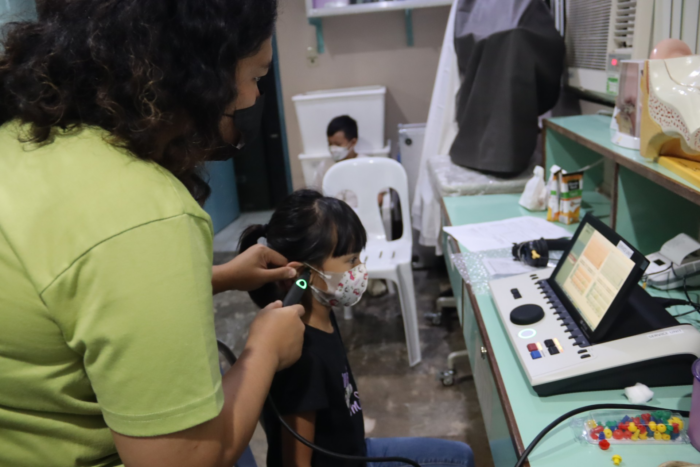
Causes of Hearing Loss in Childhood
Childhood hearing loss can occur at birth (congenital) or develop later in infancy and childhood (acquired). It may affect one ear or both ears and can range from mild to profound in severity. Early identification and intervention are critical because hearing plays a vital role in speech, language, learning, and social development.
Congenital Causes (Present at Birth)
Genetic Factors
Genetic conditions account for a significant proportion of permanent childhood hearing loss. These may occur:
- As isolated hearing loss (non-syndromic hearing loss)
- As part of a syndrome affecting multiple body systems (syndromic hearing loss)
Examples include:
- Mutations in genes responsible for inner ear development and function
- Conditions such as hearing loss associated with craniofacial anomalies or other inherited disorders
A child may have genetic hearing loss even when there is no known family history
Prenatal Infections
Certain infections during pregnancy can interfere with the development of the baby’s auditory system, including:
- Cytomegalovirus (CMV)
- Rubella (German measles)
- Toxoplasmosis
- Syphilis
- Herpes infections
Congenital CMV infection is one of the most common infectious causes of permanent childhood hearing loss worldwide.
Pregnancy and Birth Complications
Factors that may increase the risk of hearing loss include:
- Premature birth
- Low birth weight
- Severe neonatal jaundice requiring treatment
- Lack of oxygen during delivery
- Extended stay in a neonatal intensive care unit (NICU)
These conditions may affect the delicate structures of the inner ear or auditory pathways in the brain..
Acquired Causes (Developing After Birth)
Ear Infections (Otitis Media)
Middle ear infections are among the most common causes of temporary hearing loss in children.
Fluid accumulation behind the eardrum can:
- Reduce sound transmission
- Cause fluctuating hearing levels
- Affect speech and language development if persistent
Repeated or chronic infections may occasionally lead to permanent hearing problems.
Meningitis and Other Serious Infections
Severe childhood infections can damage the inner ear and auditory nerve.
Examples include:
- Bacterial meningitis
- Measles
- Mumps
- Severe influenza and other viral illnesses
Meningitis is particularly concerning because hearing loss may occur suddenly and permanently.
Ototoxic Medications?
Certain medications can damage the inner ear, especially when used in high doses or for prolonged periods.
Examples include:
- Some antibiotics (such as aminoglycosides)
- Certain chemotherapy drugs
- Selected medications used in intensive care settings
Healthcare providers carefully weigh the benefits and risks when these medicines are required.
Noise Exposure
Children are increasingly exposed to potentially harmful noise from:
- Personal listening devices
- Video games and headphones
- Loud toys
- Concerts and recreational events
Prolonged exposure to loud sounds can result in permanent noise-induced hearing loss.
Head Trauma
Injuries involving the head or temporal bone may damage:
- The eardrum
- Middle ear bones
- Inner ear structures
- Auditory nerve pathways
Prompt medical evaluation is important following significant head injuries.
Earwax and Foreign Bodies
Although usually temporary and treatable, hearing loss may result from:
- Impacted earwax
- Small objects lodged in the ear canal
Young children are particularly susceptible to these problems.
Conditions Associated with Progressive Hearing Loss
Some children are born with normal hearing but develop hearing loss over time due to:
- Genetic conditions with delayed onset
- Congenital CMV infection
- Certain metabolic disorders
- Neurodegenerative diseases
- Structural abnormalities of the inner ear
Because hearing can change during childhood, ongoing monitoring may be recommended for at-risk children.
Signs Parents and Caregivers Should Watch For
Possible indicators of hearing loss include:
- Social withdrawal or frustration during communication
- Not responding to sounds or voices
- Delayed speech and language development
- Frequently asking for repetition
- Turning one ear toward sounds
- Difficulty following instructions
- Poor academic performance
- Increasing television or device volume
- Social withdrawal or frustration during communication
The Importance of Early Detection
The earlier hearing loss is identified, the better the opportunities for intervention. Newborn hearing screening, regular hearing assessments, and prompt evaluation of developmental concerns help ensure children receive appropriate support as early as possible.
Early intervention may include:
- Medical or surgical treatment
- Hearing aids
- Cochlear implants when appropriate
- Speech and language therapy
- Educational and family support services
With timely diagnosis and comprehensive care, most children with hearing loss can develop strong communication skills and achieve their full academic and social potential.